
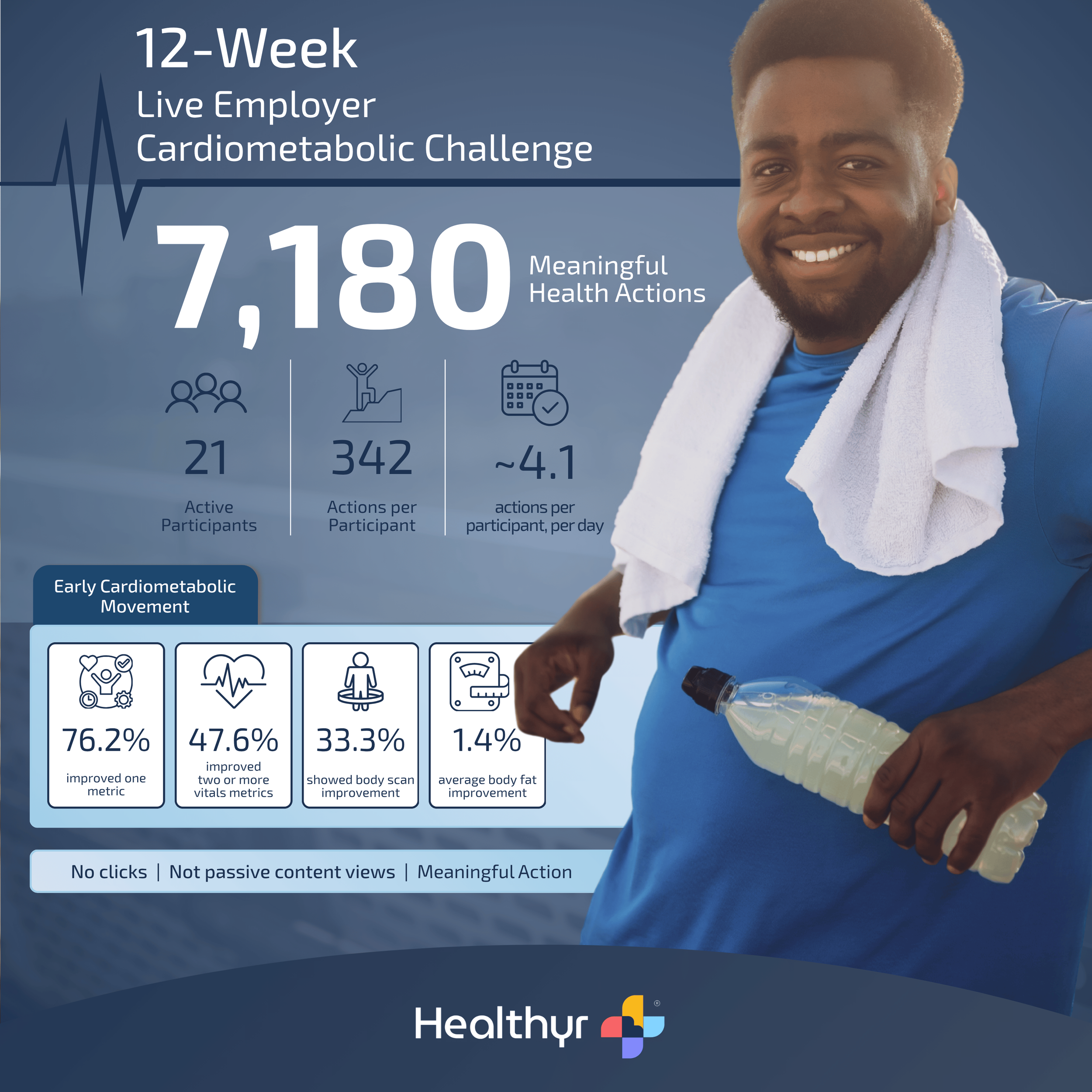
12 Week Live Employer Cardiometabolic Challenge
We recently reached the 12-week checkpoint in a live employer client deployment of the Healthyr Horizon Smart Patient Companion, and the results are challenging what this market has come to accept as “engagement.”
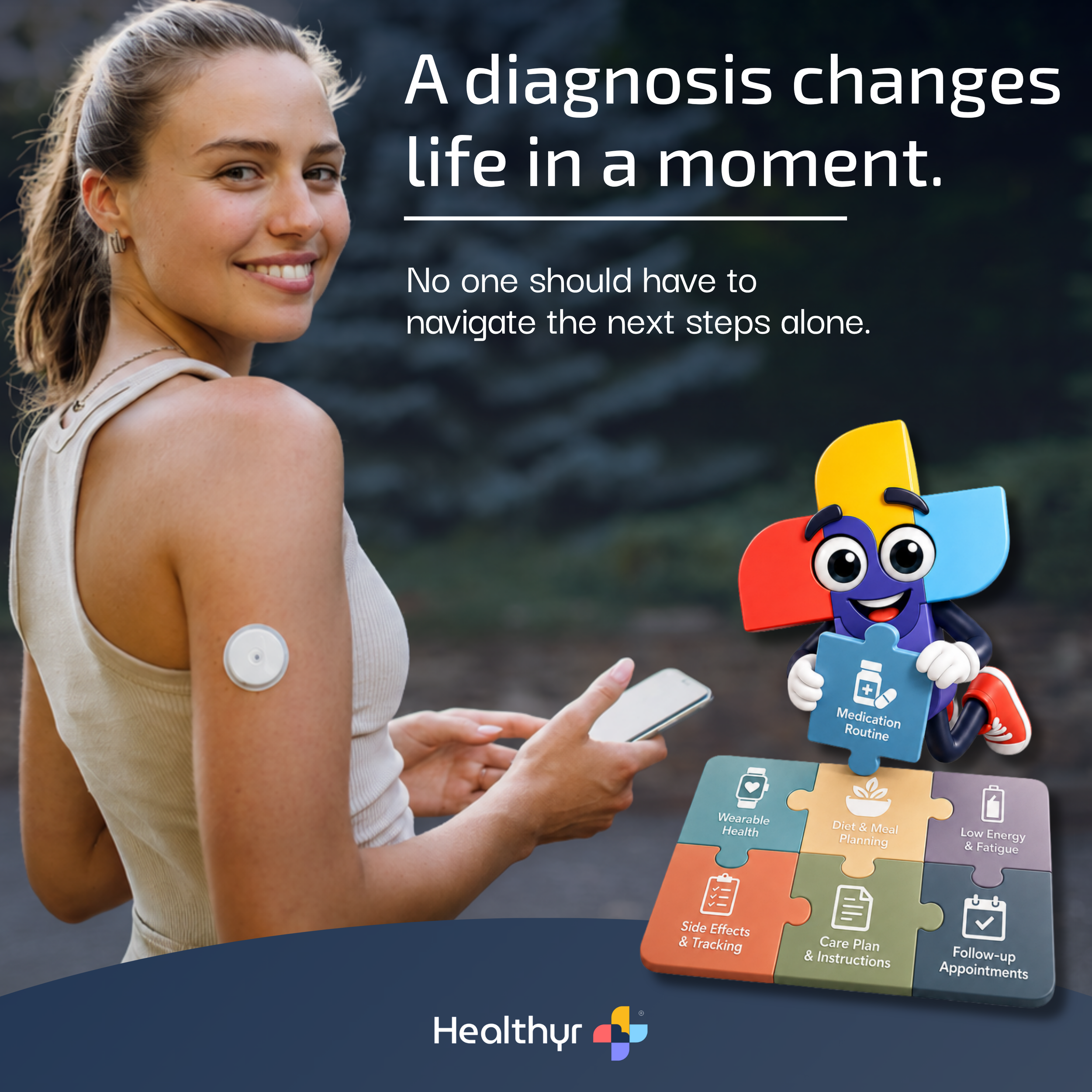
A Diagnosis Changes Life in a Moment
When we talk about health platforms, the conversation often starts in familiar places: Wellness. Weight management. Cardiometabolic health. Prevention. Habit change.
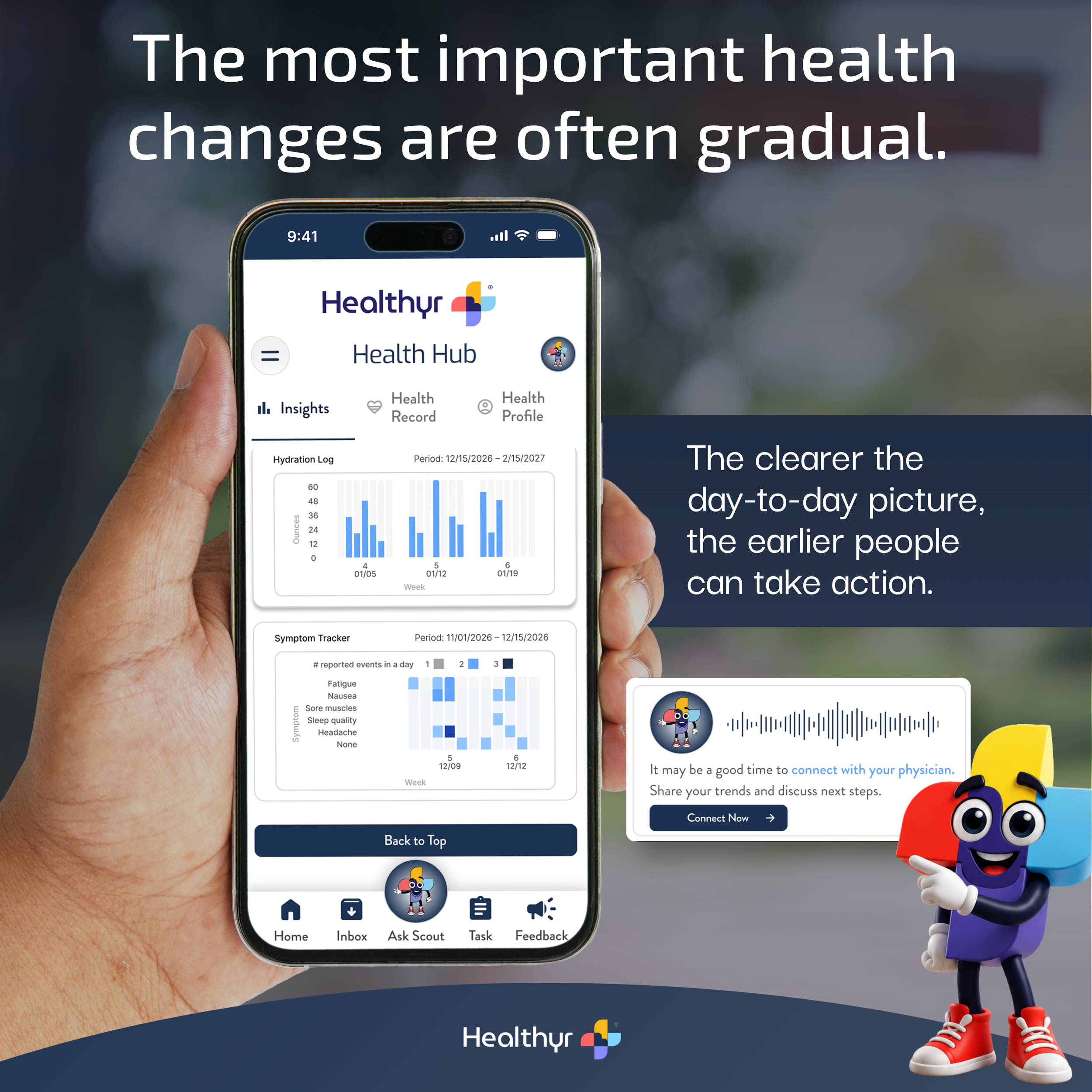
The most important health changes are often gradual.
Most strokes are not as sudden as they’re often described.
By the time a major event occurs, there has usually been a lead-up: changes in blood pressure, disrupted sleep, recurring fatigue, or symptoms that didn’t feel serious enough to act on in the moment. On their own, these don’t always prompt concern. Over time, they begin to tell a different story.
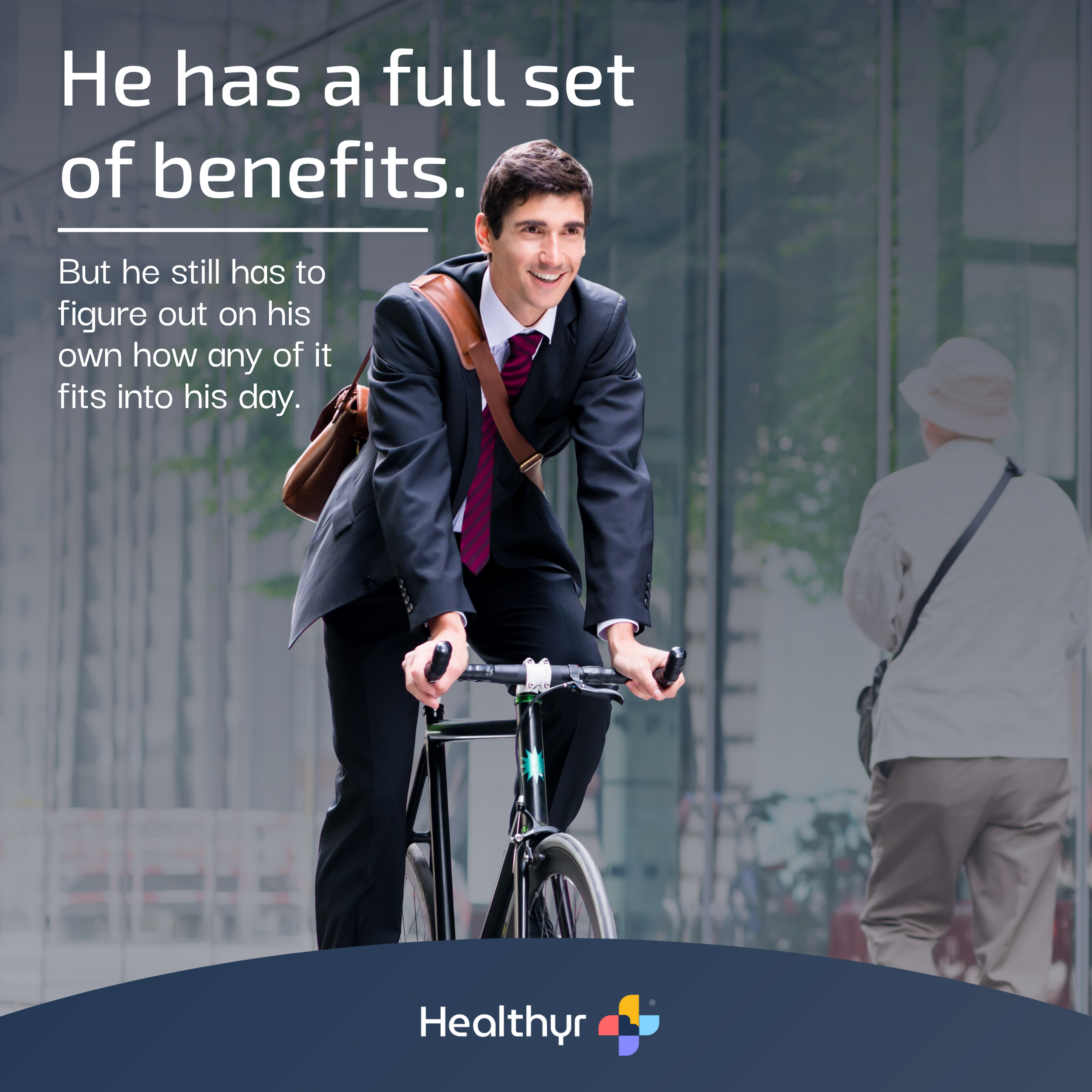
He Has a Full Set of Benefits
May marks Global Employee Health & Fitness Month, a moment when organizations refocus attention on employee health. That attention matters. It drives participation, surfaces resources, and gets people to re-engage. But it also exposes a deeper issue that isn’t solved by attention alone.
Care Is Delivered in Defined Moments
For decades, healthcare has operated within a structure that makes sense. Care is delivered in defined moments: appointments, check-ins, and follow-ups. Within those moments, clinicians diagnose, guide, and establish a plan of care.
That model works. It has to. Because no clinician, no matter how engaged, accessible, or committed, can realistically extend themselves into the day-to-day of a patient’s life.
Access Has Expanded Across Healthcare
Access Has Expanded Across Healthcare
Outcomes are still decided after the Visit
Programs create initiatives.
Many wellness programs are built around initiatives: step challenges, monthly themes, or quarterly programs.
These moments matter. They create energy. They give people a reason to start paying attention to their health. And when they’re designed well, they can be a powerful catalyst.
But lasting change rarely comes from a single initiative.
It happens in the days that follow.
Blood pressure doesn’t improve because a challenge began.
Metabolic risk doesn’t shift because a program was launched.
Habits form through hundreds of small decisions over time: what to eat today, whether to move, how much sleep someone gets, or whether a symptom gets ignored or acted on.
Those decisions don’t happen inside the challenge itself. They happen on ordinary afternoons.
Which means the real question for wellness programs isn’t whether challenges work. It’s how they connect to what people do next.
The organizations seeing real progress are structuring initiatives differently, using them as the starting point for systems that stay present between doctor visits and between moments of motivation.
That perspective has shaped how we design programs at Healthyr, around the everyday realities people navigate: access to care, the cost of treatment, the time constraints of daily life, and the small decisions that ultimately determine whether someone can follow through.
Because momentum can start a behavior change. But structure is what sustains it.
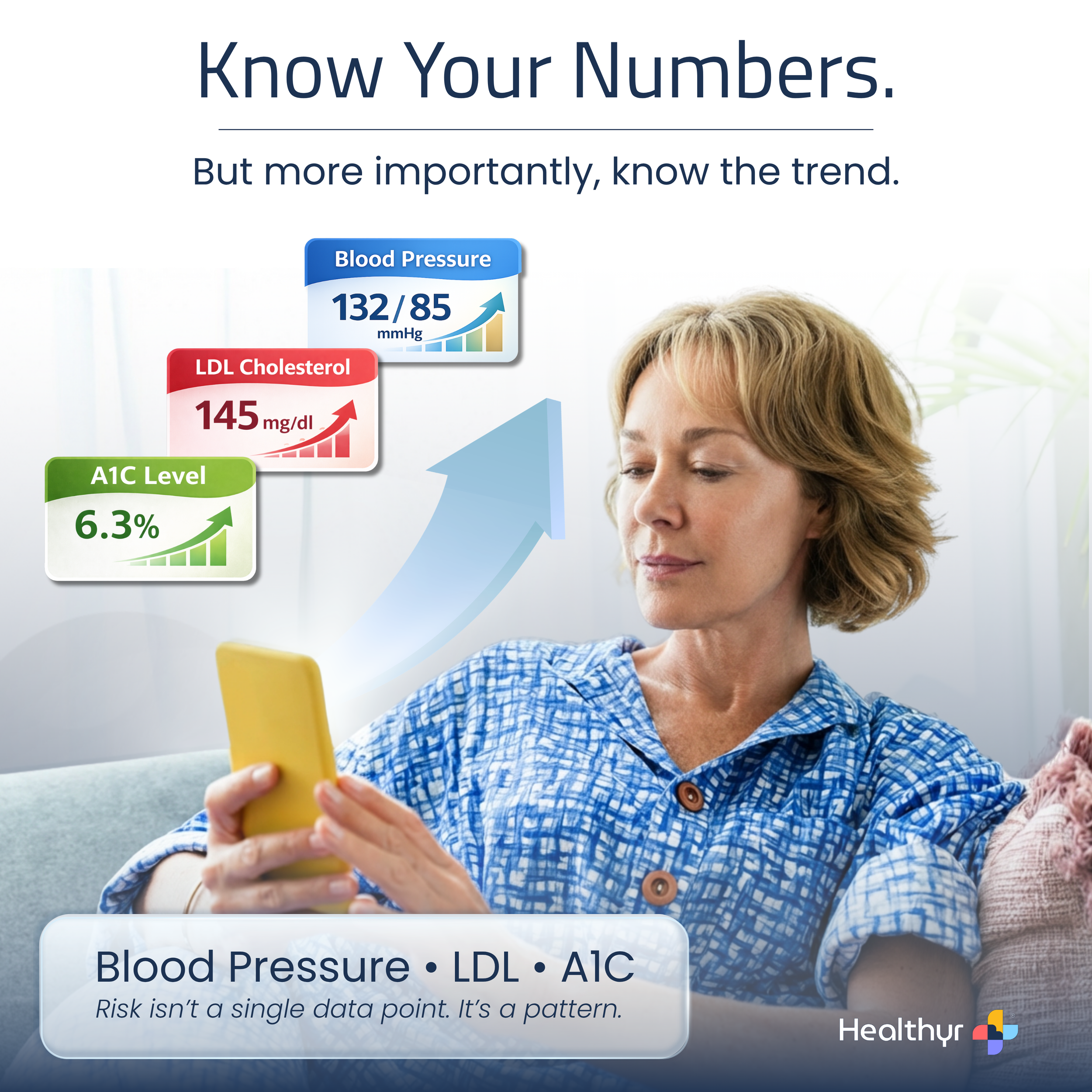
Know Your Numbers. But more importantly, know the trend.
During American Heart Month, we often hear the phrase “Know Your Numbers.” It’s good advice, but it’s incomplete.
Cardiovascular risk is not defined by a single blood pressure reading at a health fair or by a single cholesterol panel ordered during an annual visit. It is defined by directionality over time.
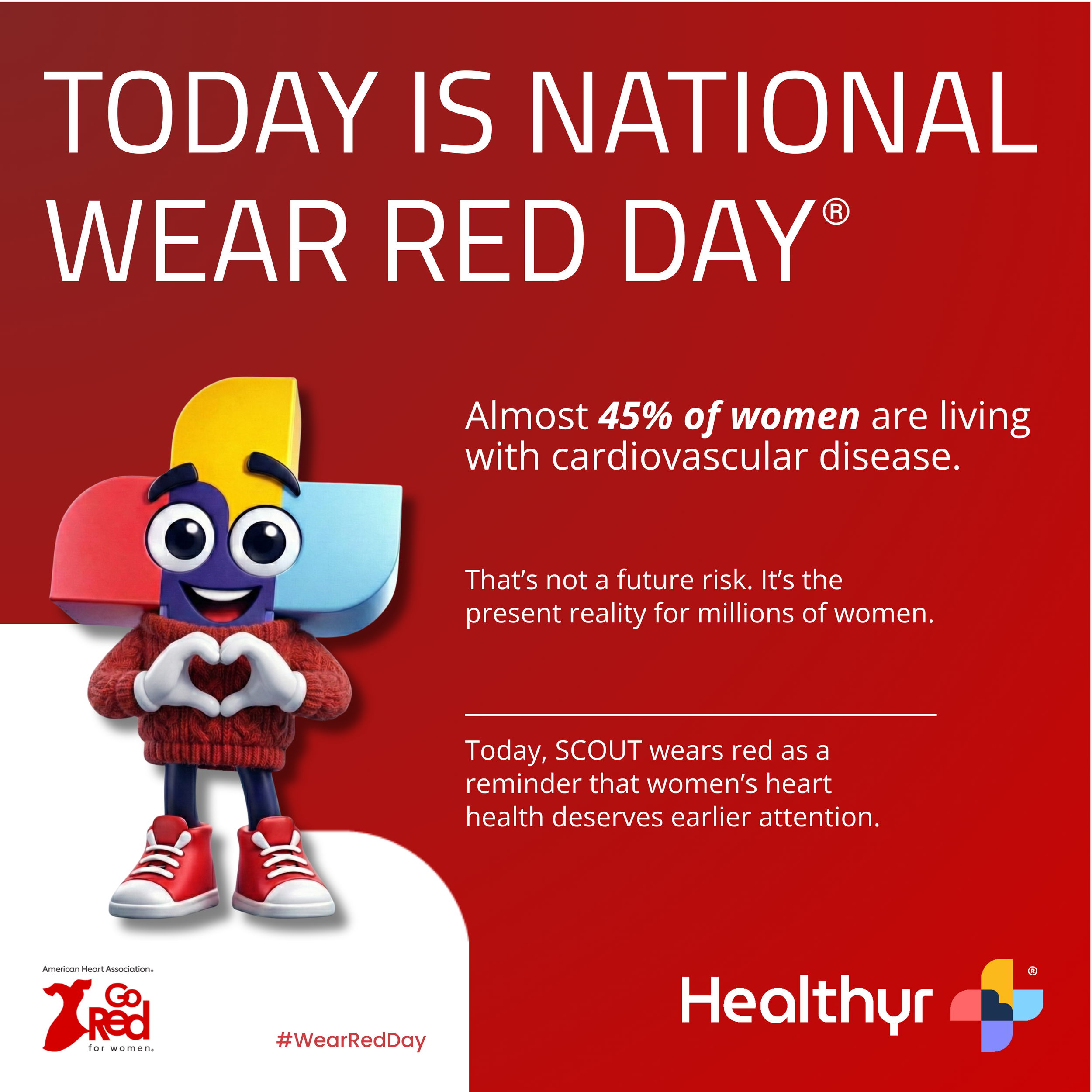
Today is National Wear Red Day
Today is National Wear Red Day.
Heart disease is still the number one killer of women. A woman dies from cardiovascular disease about every 80 seconds.
What’s harder to sit with is why this remains true.
Healthyr’s Acknowledgement by CMS
In July, CMS announced the White House Health Tech Ecosystem — a national initiative inviting organizations to formally pledge their commitment to modernizing the digital health ecosystem.
Last month, Healthyr took that pledge and has since been acknowledged by CMS across three patient-facing categories:
• Patient-Facing Conversational AI Assistants
• Patient-Facing Diabetes & Obesity Solutions
• Patient-Facing “Kill the Clipboard” Experiences